
Where History Happened: A Timeline Tour of New Hampshire
Visit 5 Historic Sites in Order of Occurrence
As America celebrates the 250th anniversary of the signing of the Declaration of Independence, it’s a perfect opportunity to remember the events of the revolution that earned the very independence we celebrate today. Follow along this timeline trail to witness the sites where American history was written, right here in the Granite State.
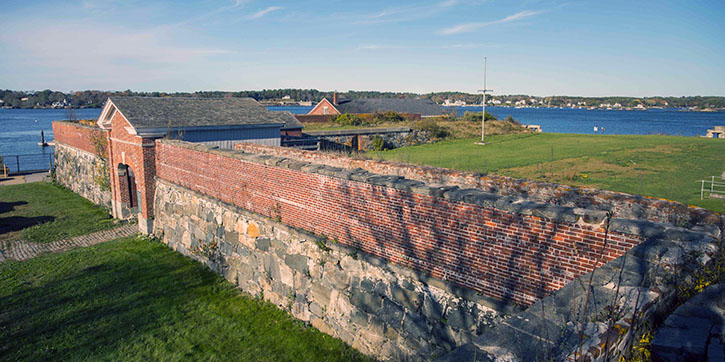
Fort Constitution, New Castle
December 14, 1774: Raid on Fort William and Mary
Four months prior to Paul Revere’s famous midnight ride, Revere made a similar trip from Boston to Portsmouth, New Hampshire with news of a new British order. On December 13, 1774 – Revere rode 66 miles north from Boston to warn of a British siege of gunpowder and munitions at Fort William and Mary in New Hampshire, a site now known as Fort Constitution.
By the following day, nearly four hundred local men mustered to raid the lightly guarded fort and successfully seized supplies which were then moved inland and distributed throughout the northern colonies. The British called the act treason, but history remembers it as one of the first armed acts of rebellion that helped ignite the American Revolution. Today, visitors can explore remnants of the Fort and walk the grounds where this historic rebellion took place.
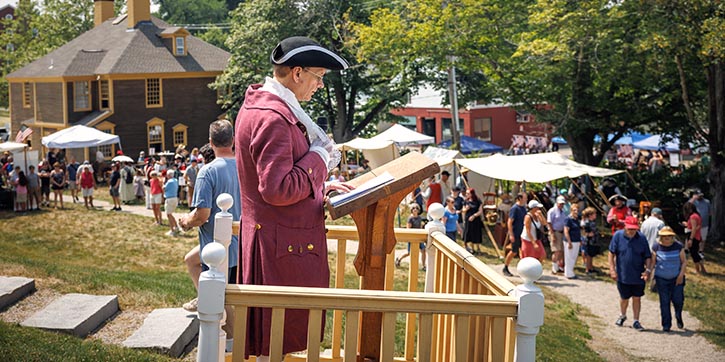
Town of Exeter & American Independence Museum
January 4, 1776: New Hampshire Declares Granite State Independence
On January 4, 1776, local leaders gathered in Exeter to establish New Hampshire’s own independent government, asserting the colony’s right to govern itself—months before the official Declaration of Independence was adopted in July of 1776. As the proud historical marker planted stately in front of Exeter’s Town Offices describes—Exeter became the capital of the very first British colony to declare its own independence. Walking through Exeter today, visitors can experience revolutionary history come to life at the American Independence Museum, where a rare original printing of the Declaration of Independence is on display.
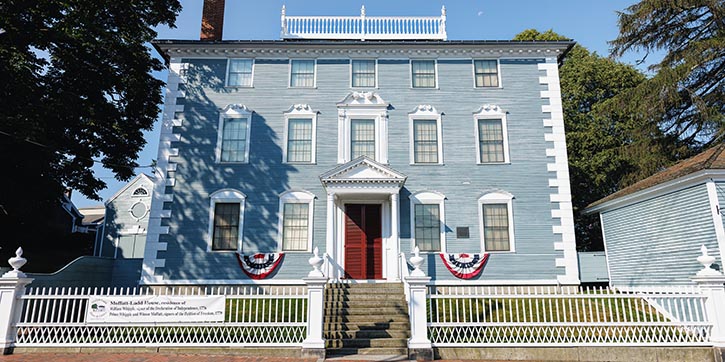
Moffatt-Ladd House, Portsmouth
August 2, 1776: Home of Declaration Signer William Whipple
When the Declaration of Independence was officially signed on August 2, 1776, three New Hampshire men became Founding Fathers; signing into history the Granite State’s commitment to the revolutionary cause. One of these men was William Whipple, a prominent New Hampshire figure who served as a merchant, soldier, judge, Continental Congress delegate, and Revolutionary War general.
At the time of the signing, Whipple lived with his wife, Katharine Moffatt Whipple, at her family estate in Portsmouth. Today, the Moffatt-Ladd House and Garden Museum preserves this historic property and its gardens, including New Hampshire’s Millennium Landmark Tree, planted by William and Prince Whipple to celebrate his signing of the Declaration of Independence.
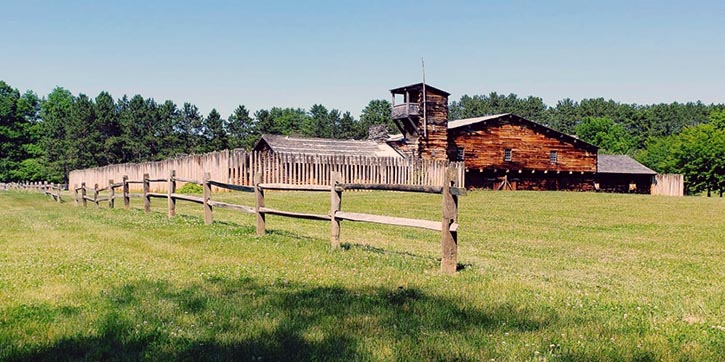
Fort at No. 4, Charlestown
August 1777: General John Stark Musters Troops for The Battle at Bennington
The Fort at No. 4 was established in 1735 as the northernmost British frontier settlement along the Connecticut River. Over time, the fort became the center of a thriving frontier community that eventually grew strong support for the Patriot cause. During the Revolutionary War, the fort’s strategic location made it a key rallying point, and as tensions rose under the growing power of an English King and Parliament, the Fort at No. 4 was called into action.
In August of 1777, General John Stark mustered New Hampshire troops here before leading them to a decisive victory at The Battle of Bennington, a turning point in the northern campaign against the British. Today, visitors can explore the preserved fort site and imagine the vital role it played in shaping New Hampshire’s contribution to American independence.
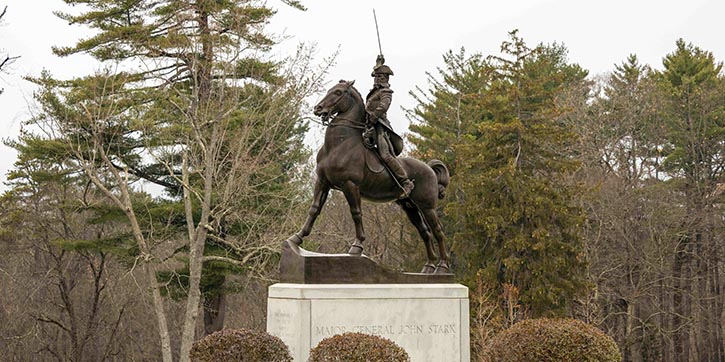
Stark Park, Manchester
May 8, 1822: General John Stark’s Grave
This historic park in Manchester, New Hampshire honors General John Stark, a bold Revolutionary War leader whose legacy helped shape the nation—and serves as his final resting place. General Stark famously commanded forces at The Battle at Bennington, a pivotal victory that weakened British power and furthered the American Revolution. Stark also coined the phrase that would become New Hampshire’s iconic state motto: Live Free or Die.
Today, visitors can walk the grounds where Stark is laid to rest, see the tribunal statue which commemorates his leadership, and reflect on the sacrifices and determination that helped secure American independence.